
Metropolitan Playhouse
The American Legacy
The American Legacy
"Theatrical
archaeologist extraordinaire" - - Back Stage

Follow us....


|
Metropolitan Playhouse
The American Legacy "Theatrical
archaeologist extraordinaire" - - Back Stage
|
Follow us.... |
|||||||
| Playing | Next | Season | Tickets | Company | Location | Mission | History | Links |
|
| William
Dean Howells Dean of American Letters |
|
|
|
|
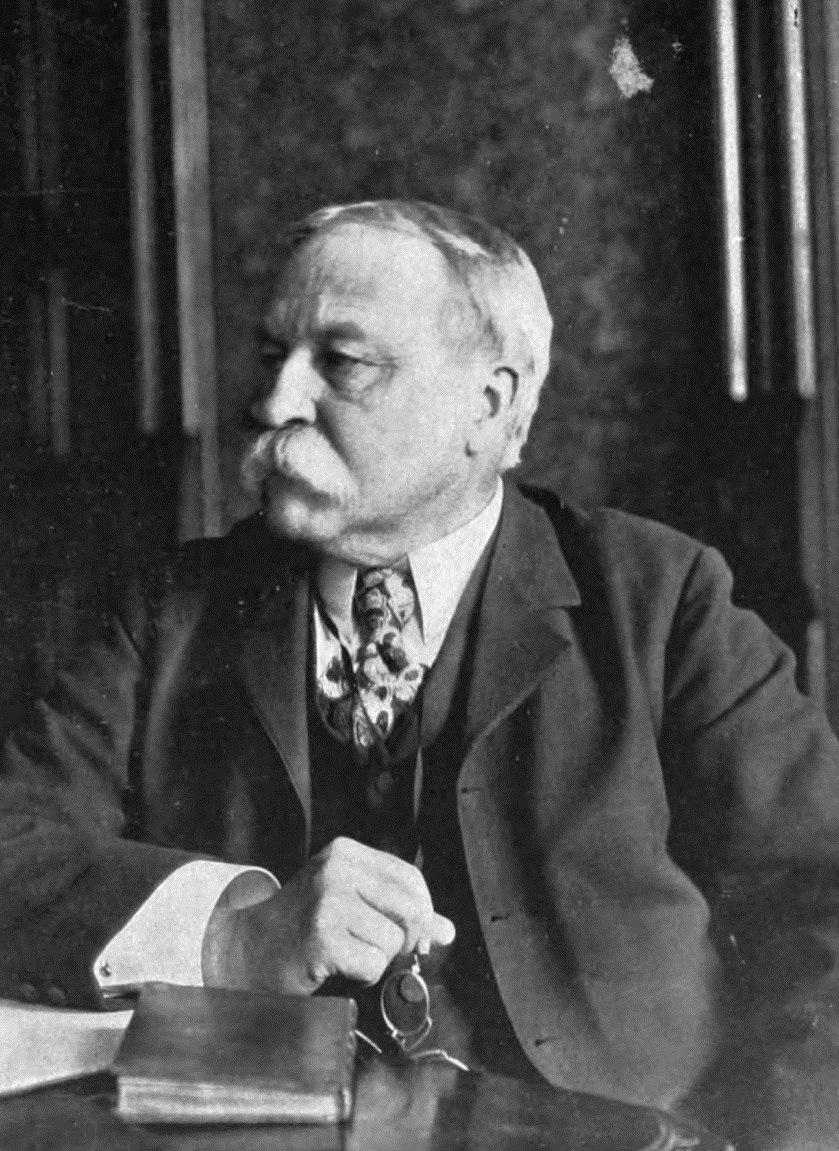 William Dean
Howells: Drama as Literature William Dean
Howells: Drama as LiteratureWilliam Dean Howells (1837-1920), American writer and editor, was an influential critic and an important novelist of the late 19th century. His career spanned a period of radical change from European influenced conventions in American literature to Realism; as novelist, critic, and editor, he contributed greatly to those changes. His novels appeared almost every year from 1987 to 1921, he managed to write six autobiographical studies, more than a dozen travel books, four volumes of poetry, numerous memoirs, biographies and reviews. And 30 plays. He was not known for these dramatic efforts, which were far more literary than stage-worthy. Rather than receiving professional productions, these one-acts plays were published regularly for review in literary digests, principally The Atlantic Monthly and Harper's. His plays were described as 'closet dramas' for reading and not necessarily performing and he was meticulous in crafting his stage directions as he was in his dialogue. He enjoyed exploring realism in the dramatic form, as with his novels, to tell the truth of the everyday lives of Americans. He had no interest or talent for the role of Actor/Manager, the only way a playwright could earn a living in early 19th century American theatre. His first published play was, in fact, The Parlor Car published in The Atlantic Monthly, August, 1876. (See the illustration above right.) after he had already written three novels, a book of poems and numerous articles and essays. Realism in American Plays Melodrama The drama of the pre-war period tended to be a derivative in form, imitating European melodramas and romantic tragedies, but native in content, appealing to popular nationalism by dramatizing current events and portraying American heroism. But playwrights were limited by a set of factors, including the need for plays to be profitable, the middle-brow tastes of American theater-goers, and the lack of copyright protection and compensation for playwrights. The primary 19th Century Theatrical Form was melodrama, despite other influences, becoming the most popular by 1840. Characteristics of Melodrama: 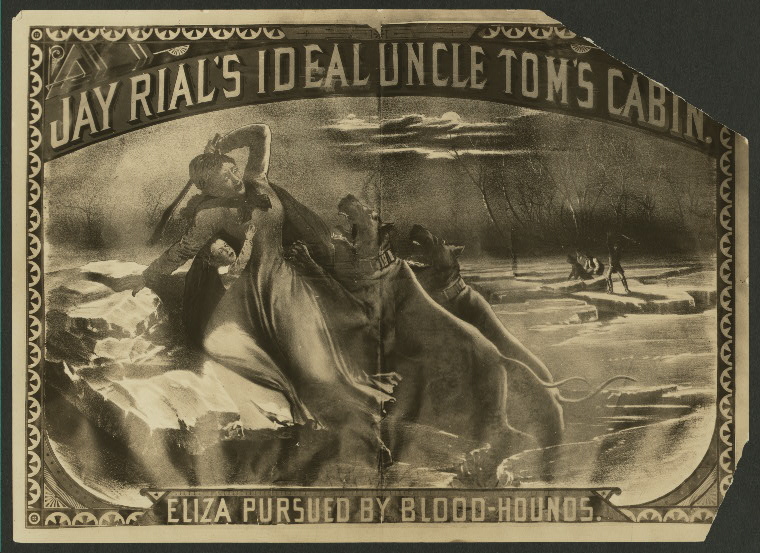
The Rise of American Realism  Many cultural currents influenced the introduction of a realistic approach to dramatizing contemporary life. One would hope that the Civil War and the assassination of a President (in a theatre no less!) was enough melodrama for a generation of Americans. The nation's growth and prosperity was spurred on by a mix of post-war progress such as the successful connection of the transatlantic telegraph cable (1866) and the first transcontinental railroad completed in United States (1869); international advances in medicine and science such as pasteurization and "The Origin of the Species"; and a continuous wave of European immigration and the rising potential for international trade. Through all mediums including painting, literature and music, American Realism attempted to portray the exhaustion and cultural exuberance of the figurative American landscape and the life of ordinary Americans at home. Artists used the feelings, textures and sounds of the city to influence the color, texture and look of their creative projects. Musicians noticed the quick and fast-paced nature. Writers and authors told a new story about Americans; boys and girls real Americans could have grown up with. Pulling away from fantasy and focusing on the now, American Realism presented a new gateway and a breakthrough - what it means to be in the present. The earliest period of American realism in drama can be dated 1870 to 1900. Elements of dramatic realism were finding their way into melodrama (e.g., Augustin Daly's "Under the Gaslight") and in local color plays (Bronson Howard's "Shenandoah" pic left). Other key dramatists during this period were David Belasco (pic right, "Girl of the Golden West"), Steele MacKaye, our man William Dean Howells, Dion Boucicault, and Clyde Fitch. Realism onstage called forth a set of dramatic and theatrical conventions with the aim of bringing a greater fidelity of real life to texts and performances:
The other novelists whose works were considered part of this 19th century movement included Stephen Crane, Horatio Algier, Henry James and, of course, William Dean Howells. Howells and Realism in Dramatic Literature  The
greatest
literary
influence
exerted on
Howells was by
the writer
whom he called
"one of the
greatest
realists who
has ever
lived" --
Carlo Goldoni
(1707-1793),
the Italian
playwright and
librettist
from the
Republic of
Venice.
His works
include some
of Italy's
most famous
and best-loved
plays.
Audiences have
admired the
plays of
Goldoni for
their
ingenious mix
of wit and
honesty. His
plays offered
his
contemporaries
images of
themselves,
often
dramatizing
the lives,
values, and
conflicts of
the emerging
middle
classes. The
greatest
literary
influence
exerted on
Howells was by
the writer
whom he called
"one of the
greatest
realists who
has ever
lived" --
Carlo Goldoni
(1707-1793),
the Italian
playwright and
librettist
from the
Republic of
Venice.
His works
include some
of Italy's
most famous
and best-loved
plays.
Audiences have
admired the
plays of
Goldoni for
their
ingenious mix
of wit and
honesty. His
plays offered
his
contemporaries
images of
themselves,
often
dramatizing
the lives,
values, and
conflicts of
the emerging
middle
classes. There is abundant evidence that the Venetian dramatist more than any other writer, turned Howells from Romantic poet into prose Realist. It was through Goldoni's eyes that Howells, on assignment as consul to Venice from 1861-1865, first saw the possibilities of prose fiction based on the commonplace events of contemporary life. Later Goldoni's plays provided direct inspiration for his own comedies and farces. Howells, (in "My Literary Passions," 1895): "I had a notion that, in literature, persons and things should be nobler and better than they are in sordid reality; and this romantic glamour veiled the world to me, and kept me from seeing things as they are. But in the lanes and alleys of Venice I found Goldoni everywhere. Scenes from his plays were enacted before my eyes, with all the charming Southern vividness of speech and gesture, and I seemed at every turn to have stepped unawares into one of his comedies. " Howells defines Goldoni's elements of realism, as if he is talking about his own: "a) the truthful treatment b) of commonplace material, which produces c) proper moral effect," ".. there is seldom anything more poignant in any one of [Goldoni's plays] than there is in the average course of things. The plays are light and amusing transcripts from life, for the most part, and where at times they deepen into powerful situations, or express strong emotions, they do so with persons so little different from the average of our acquaintance that we do not remember just who they are." "I know none of his plays that insults the common sense with the romantic pretense that wrong will be right if you will only paint it rose-color. He is at some obvious pains to 'punish vice and reward virtue' ... no feigning that passion is a reason or justification ... nor that suffering of one kind can atone for the wrong of another." ... and the Roberts-Campbell "Situation" Comedies There are twelve Roberts-Campbell comedies, mostly written in the 1880s. These satirical sketches are deservedly considered Howells’ best work in drama. In his Introduction to The Complete Plays, for example, Meserve calls therm Howells’ “most humorous and stage~ worthy plays”. The humor of a situational comedy depends upon two kinds of familiarity: the principal characters’ familiarity with each other and the middle-class audience’s familiarity with the principal characters. The characters, moreover, are not only familiar because they are like the audience members but also because the same characters have been seen in previous sketches. 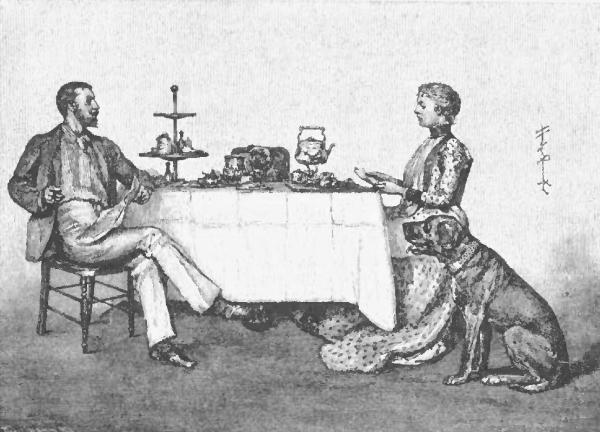 Familiarity of character, in Howells’ farces, as in modern television situation comedies, is the starting point for every episode. Each episode requires a slight variation in the situation to set the characters in motion or to reveal some aspect of their personalities, to impel them to an action that is both ordinary and extraordinary. Howells is totally uninterested in “dramatic” plots. Instead, in both his critical essays and his plays, he continually advocates character sketches. The success of a play, he claims, depends “upon incident and character, without those crucial events which in life are so rarely dramatic, but which when they come, arrive with as little ceremony as the event of dinner or of death.” The Roberts and the Campbells are clearly wealthy, maintain servants, and have ample time to turn social molehills into mountains. The titles alone are an indication of the prosaic nature of their pampered lives: The Smoking Car, The Sleeping Car, The Albany Depot, Five O'Clock Tea and Evening Dress to name just a few. They are depictions of manners presented as farcical. Reflecting the literary accomplishments of the author, they are well written, sometimes witty, and well-structured. Each is a slice of the mundane lives and worries of the privileged classes. Likely, Howells knew these people, and likely, he did not admire them. In each of these farces we encounter Mr. and Mrs. Roberts, her Aunt Mary and her brother Mr. Willis Campbell. Episodic appearances are made by Aunt Mary (Mrs. Crashaw) whose niece is Mrs. Roberts, Mr. and Mrs. Bemis, Young Mr. Bemis and wife, Dr. Lawton, and Jane the serving girl. Each of these people, with the exception of Jane, is prone to excess displays of confused emotion, but none more than Mrs. Roberts. The slow-witted Mr. Roberts, the mischievous Mr. Campbell, the garrulous Mrs. Campbell and the overly propitious Aunt Mary - tropes as old as Roman farce and which certainly can be traced to Goldoni, from whom Howells took much inspiration for his dramatic writing. Howells’s series of farces begins in 1882 with The Sleeping Car, written, significantly, just before Howells’s formal entry into Boston Back Bay society, which culminated in 1884 with the purchase of his house on Beacon Street. The Sleeping Car consists of little more than the single farcial device of mistaken identity carried ad absurdum, and is of importance only because it introduces the main characters of the series of twelve one-act farces, Edward and Agnes Roberts, Agnes’s Aunt Mary, and her brother Willis Campbell, who is to acquire a wife later in the course of the series in the person of Amy Somers. What is most significant about The Sleeping Car is a negative fact: it does not take place within the framework of Back Bay Boston society as the rest of the farces do, and consequently makes no thematic statement about this society. It simply introduces the characters who are to figure in typical farce roles. Edward is a “literary man’’ who goes around in a kind of daze most of the time, trying ineffectually to do the bidding of his loving but semi-hysterical wife. Agnes’s chief characteristic as she appears in The Sleeping Car is her penchant for non-stop talking. These two have been unanimously recognized as burlesqued portraits of the Howellses. Willis Campbell in this play rather significantly comes back from a long stay in California, and he functions here, as he will in the rest of the series, as the outsider to “the group,” the embodiment of good sense and practicality, and at the same time as the practical joker who, when he sees some social mechanism breaking down, is always ready and willing to loosen a few more screws. The resemblance of Willis Campbell to Mark Twain is unmistakable, particularly in his relation to Howells, the unfailing and always willing target of his jokes. The Sleeping Car is merely preparation, exposition, as it were, for the eleven Campbell-Roberts farces which follow it, all of which deal with the social aspect of the lives of the characters, and all of which were written after the Howellses entered Boston society life in earnest. In a sense, in fact, the subject of the farces is the social interaction of the characters—the behavior of people within the framework of Proper Boston society and the assumptions which underlie such behavior. Roberts and Campbell are clearly representative of the two types that are as old as farce itself, gull and coney, or fool and knave, buffoon and churl. Roberts is simply incapable of deceit, and this weakness—as Howells demonstrates, it is a weakness in this society—leaves him at once totally incapable of performing the simplest function, such as engaging a doctor for his sick child (A Masterpiece of Diplomacy 1894) or hiring a cook for his wife (The Albany Depot 1891), and also easy prey for Campbell’s knavish practical jokes. Other "episodes" in the series include:
First Publication (The Parlor Car) 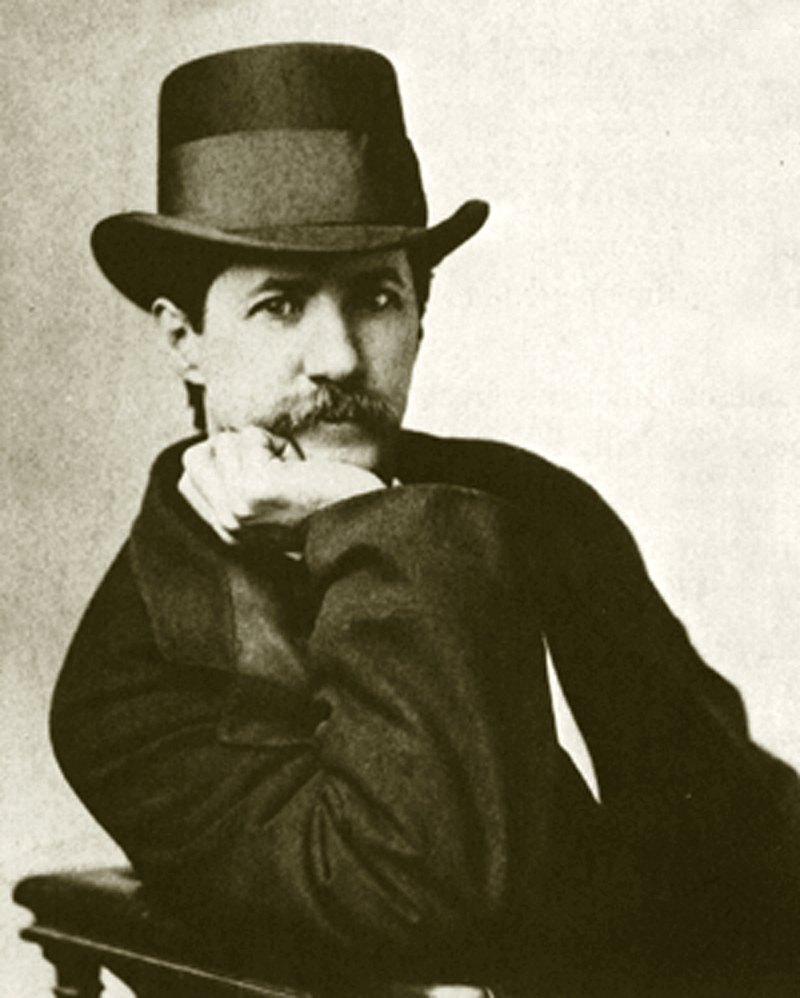 Augustin
Daly (1838 –
1899) Augustin
Daly (1838 –
1899)It starts with John Augustin Daly, playwright and for three decades one of America's foremost theatrical producers and managers. Among other contributions, Daly encouraged  American
playwrights by
producing
their plays
and calling in
print and
correspondence
for even
better plays.
He also
encouraged
contemporary
literary
figures such
as Bret Harte,
Mark Twain,
William Dean
Howells, and
Henry James to
write plays
for
production.
When his
company took
over the Fifth
Avenue
Theatre, in
1874, Daly
sent a request
to Samuel
Clemens for a
new play Daly
might produce.
Clemens
declined: American
playwrights by
producing
their plays
and calling in
print and
correspondence
for even
better plays.
He also
encouraged
contemporary
literary
figures such
as Bret Harte,
Mark Twain,
William Dean
Howells, and
Henry James to
write plays
for
production.
When his
company took
over the Fifth
Avenue
Theatre, in
1874, Daly
sent a request
to Samuel
Clemens for a
new play Daly
might produce.
Clemens
declined: Samuel Clemens (1835 - 1910) My dear Mr. Daly, Oct. 29. Although I am not able to write a play now, there are better men that can. Would it not be well worth your while to provoke W. D. Howells of the Atlantic Monthly into writing a play? My reason for making the suggestion is that I think he is writing a play. I by no means know this, but I guess it from a remark dropped by an acquaintance of his. I know Howells well, but he has not confided anything of the kind to me. Still, I think if you and Bronson are done with your fight (I mean the newspaper one) it would be a right good thing to hurl another candidate into the jaws of the critics. I am not meaning to intrude & hope I am not. Yrs. truly, Sam L. Clemens Mr. Daly did venture in accordance with Mark Twain's (see picture of Howells and Clemens) suggestion gently to "provoke" Mr. Howells into writing a play, and received the following : Cambridge, Mass. Nov. 14, 1874. My dear Sir: — Do not suppose from the great 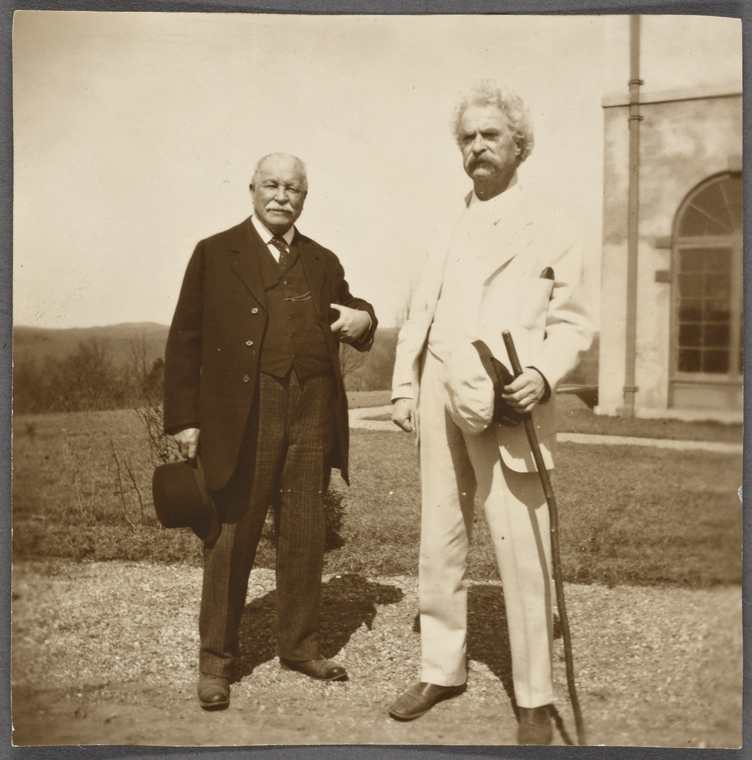 deliberation
with which I
answer your
obliging
letter that I
was not very
glad indeed to
get it. I have
long had the
notion of a
play, which I
have now
briefly
exposed to Mr.
Clemens, and
which he
thinks will
do. It's
against it, I
suppose, that
it's rather
tragical, but
perhaps —
certainly if
you've ever
troubled
yourself with
my undramatic
writings, —
you know that
I can't deal
exclusively in
tragedy, and I
think I could
make my play
in some parts
such a light
affair that
many people
would never
know how
deeply they
ought to have
been moved by
it.
deliberation
with which I
answer your
obliging
letter that I
was not very
glad indeed to
get it. I have
long had the
notion of a
play, which I
have now
briefly
exposed to Mr.
Clemens, and
which he
thinks will
do. It's
against it, I
suppose, that
it's rather
tragical, but
perhaps —
certainly if
you've ever
troubled
yourself with
my undramatic
writings, —
you know that
I can't deal
exclusively in
tragedy, and I
think I could
make my play
in some parts
such a light
affair that
many people
would never
know how
deeply they
ought to have
been moved by
it. I have also the idea of a farce or vaudeville of strictly American circumstances. Of course I'm a very busy man, and I must do these plays in moments of leisure from my editorial work. I'm well aware that I can't write a good play by inspiration, and when I've sketched my plots and done some scenes I shall, with your leave, send them for your criticism. Yours very truly, W. D. Howells.  The
requirements
of the past
season had
prevented
Augustin from
staging Mr. W.
D. Howells'
first play,
which had been
announced for
as early as
August, 1876
(for the Fifth
Avenue, see
picture left): The
requirements
of the past
season had
prevented
Augustin from
staging Mr. W.
D. Howells'
first play,
which had been
announced for
as early as
August, 1876
(for the Fifth
Avenue, see
picture left):"A new comedietta, The Parlor Car, which has been accepted by Mr. Daly, is to be published in The Atlantic Monthly, the author preferring to have the piece criticised in advance." It will be recalled that it was at Mark Twain's suggestion that Mr. Daly proposed to the editor of The Atlantic Monthly an excursion into the dramatic field, with the result now told in these letters : "Editorial office of The Atlantic Monthly, The Riverside Press, Cambridge, Mass. April 24, 1876  My dear
Sir: You have
doubtless
forgotten a
very kind
invitation you
gave me
something more
than a year
since to send
you anything I
might write in
the way of a
play ; and
it's with no
purpose of
trying to
create a sense
of obligation
in you that I
recall a fact
so gratifying
to myself. My dear
Sir: You have
doubtless
forgotten a
very kind
invitation you
gave me
something more
than a year
since to send
you anything I
might write in
the way of a
play ; and
it's with no
purpose of
trying to
create a sense
of obligation
in you that I
recall a fact
so gratifying
to myself. Here is a little comedy which I have pleased myself in writing. It was meant to be printed in The Atlantic, (and so the stage direction, for the reader's intelligence, was made very full) ; but I read it to an actor the other day, and he said it would play; I myself had fancied that a drawing-room car on the stage would be a pretty novelty, and that some amusing effects could be produced by an imitation of the motion of a train, and the collision. However, here is the thing. I feel so diffident about it, that I have scarcely the courage to ask you to read it. But if you will do so, I shall be very glad. If by any chance it should please you, and you should feel like bringing it out on some off-night when nobody will be there, pray tell me whether it will hurt or help it, for your purpose, to be published in The Atlantic. Yours trulv W. D. Howells. Mr. Howells received comments from Mr. Daly and sends rewrites and suggests that Mr. Daly may be less than enthusiastic as regards the prospect of the performance of the piece at his Fifth Avenue Theatre. (See poster to the left.) Editorial office of The Atlantic Monthly. The Riverside Press, Cambridge, Mass. May 9, 1876. My dear Mr. Daly: I am very much gratified that you like my little farce, though your kindness makes me feel its slightness all the more keenly. If you think it will play, it is at your disposal; I could not imagine a better fortune for it than you suggest ; and if it fails, I shall have the satisfaction — melancholy but entirely definite — of knowing that it was my fault. I suppose that even if my Parlor Car meets with an accident it need not telescope any future dramatic attempt of mine ? I confide in your judgment and experience; and I am going to send you some half dozen pa 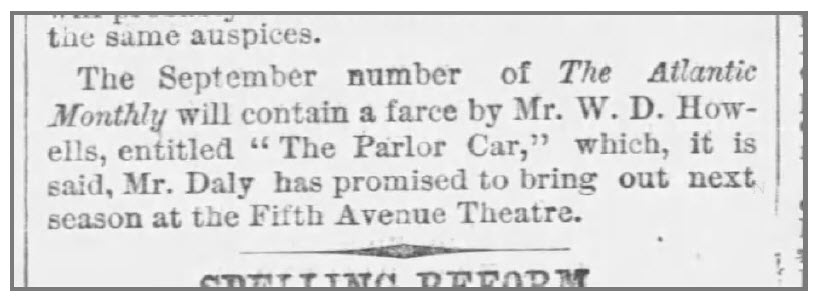 ges more
of this size,
supplying some
further shades
of character
in the lady's
case, and
heightening
the effect of
the
catastrophe.
Very truly
yours , W. D.
Howells. ges more
of this size,
supplying some
further shades
of character
in the lady's
case, and
heightening
the effect of
the
catastrophe.
Very truly
yours , W. D.
Howells. A clipping from the Boston Globe, July 24, 1876, announcing the delay of the production and the upcoming publication in the Altlantic Monthly. 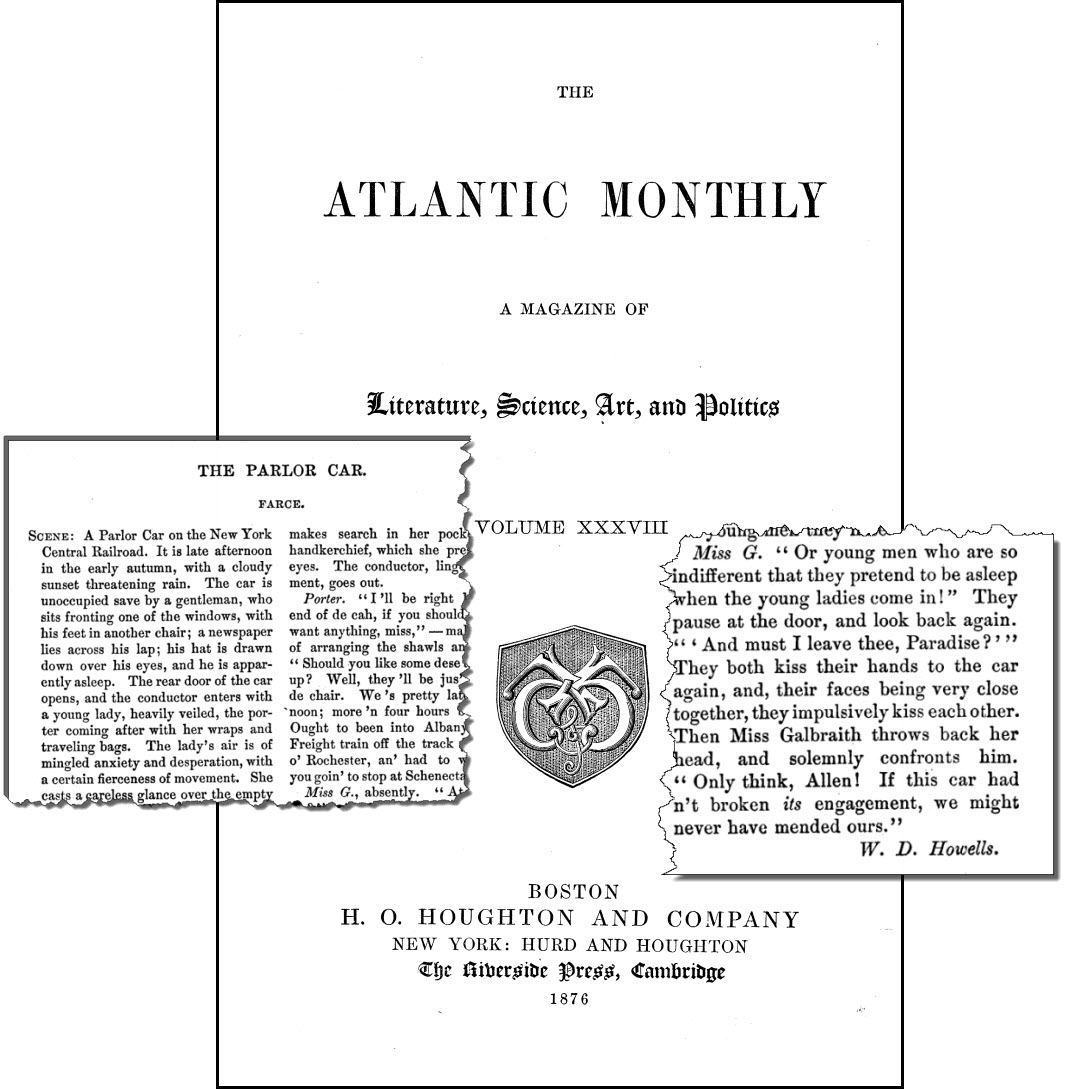 While
The Parlor
Car was
waiting to be
attached to
the first
available
train, the
author was
employing his
spare hours in
a dramatic
work of more
dignity : a
comedy in four
acts which was
also to be
submitted to
the manager of
the Fifth
Avenue
Theatre. (See
poster to the
left.)
It was
completed in
due time and
read, but, not
at all to the
author's
disappointment
(for he said
he had little
hopes of its
"theatricability"),
it was found
wanting. While
The Parlor
Car was
waiting to be
attached to
the first
available
train, the
author was
employing his
spare hours in
a dramatic
work of more
dignity : a
comedy in four
acts which was
also to be
submitted to
the manager of
the Fifth
Avenue
Theatre. (See
poster to the
left.)
It was
completed in
due time and
read, but, not
at all to the
author's
disappointment
(for he said
he had little
hopes of its
"theatricability"),
it was found
wanting.The Parlor Car was never produced by Augustin Daly, though it was published first in The Atlantic Monthly in 1876 and later in various collections of Howells' play and of American one-acts. |
|
William Dean
Howells:
Biography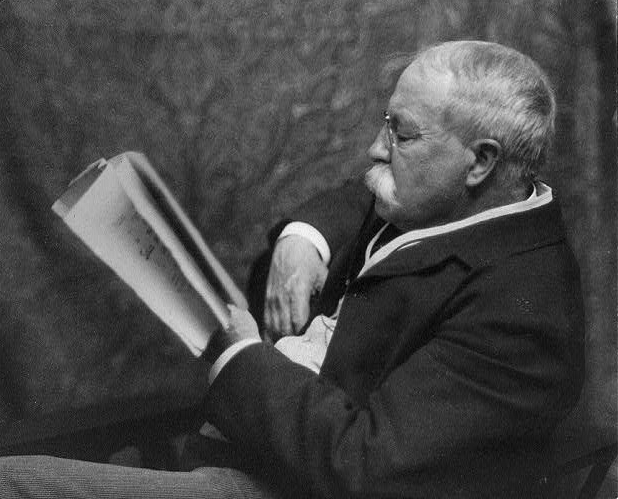 William Dean Howells (1837-1920), author, editor, and critic, was born on 1 March 1837 in Martinsville, now Martins Ferry, Ohio, the second son of eight children born to Mary Dean Howells and William Cooper Howells, a printer and publisher. As the family moved from town to town, including a year-long residence at a utopian commune in Eureka Mills, later described in his New Leaf Mills (1913), Howells worked as a typesetter and a printer's apprentice, educating himself through intensive reading and the study of Spanish, French, Latin, and German. After a term as city editor of the Ohio State Journal in 1858, Howells published poems, stories, and reviews in the Atlantic Monthly and other magazines. A longer work, his campaign biography for Abraham Lincoln, earned him enough money to travel to New England and meet the great literary figures of the day-Nathaniel Hawthorne, Ralph Waldo Emerson, Henry David Thoreau, James Russell Lowell, and Walt Whitman among them. Awarded the post of U. S. Consul to Venice in 1861 for his service to the Lincoln campaign, Howells lived in Italy for nearly four years. During his residence there, he married Elinor Mead Howells in 1862, and by 1872 the couple had three children: Winifred (b. 1863), John Mead (b. 1868), and Mildred (b. 1872). After leaving Venice, Howells became first the assistant editor (1866-71) and then the editor (1871-1881) of the Atlantic Monthly, a post that gave him enormous influence as an arbiter of American taste. Publishing work by authors such as Mark Twain and Henry James, both of whom would become personal friends, Howells became a proponent of American realism, and his defense of Henry James in an article for The Century (1882) provoked what was called the "Realism War," with writers on both sides of the Atlantic ocean debating the merits of realistic and romantic fiction. While writing the "Editor's Study" (1886-1892) and "Editor's Easy Chair" (1899-1909) for Harper's New Monthly Magazine and occasional pieces for The North American Review, Howells championed the work of many writers, including Emily Dickinson, Mary E. Wilkins Freeman, Hamlin Garland, Sarah Orne Jewett, Charles W. C 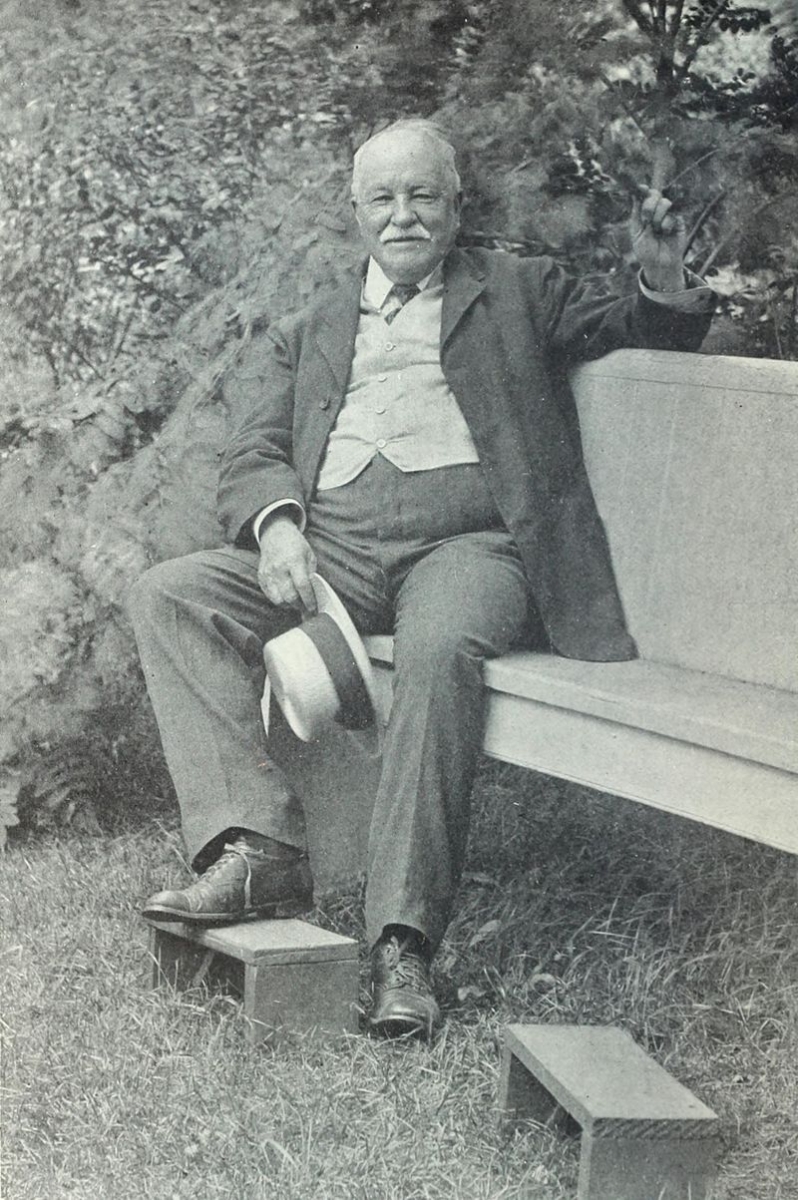 hesnutt,
Frank Norris, Paul Laurence Dunbar, Abraham Cahan, and
Stephen Crane. He was also responsible for promoting
such European authors as Ibsen, Zola, Pérez Galdós,
Verga, and Tolstoy. Despite Howells's professional
success, his personal life during this period was marred
in 1889 by the premature death of his daughter Winifred,
whose physical symptoms were misdiagnosed as resulting
from a nervous disorder and were ineffectively treated. hesnutt,
Frank Norris, Paul Laurence Dunbar, Abraham Cahan, and
Stephen Crane. He was also responsible for promoting
such European authors as Ibsen, Zola, Pérez Galdós,
Verga, and Tolstoy. Despite Howells's professional
success, his personal life during this period was marred
in 1889 by the premature death of his daughter Winifred,
whose physical symptoms were misdiagnosed as resulting
from a nervous disorder and were ineffectively treated.
After the execution of the Haymarket radicals in 1887, which he risked his reputation to protest, Howells became increasingly concerned with social issues, as seen in stories such as "Editha" (1905) and novels concerned with race (An Imperative Duty, 1892), the problems of labor (Annie Kilburn, 1888), and professions for women (The Coast of Bohemia, 1893). Although he wrote over a hundred books in various genres, including novels, poems, literary criticism, plays, memoirs, and travel narratives, Howells is best known today for his realistic fiction, including A Modern Instance (1881), on the then-new topic of the social consequences of divorce; The Rise of Silas Lapham (1885), his best-known work and one of the first novels to study the American businessman; and A Hazard of New Fortunes (1890), an exploration of cosmopolitan life in New York City as seen through the eyes of Basil and Isabel March, the protagonists of Their Wedding Journey (1871) and other works. Other important novels include Dr. Breen's Practice, (1880), The Minister's Charge and Indian Summer (1886), April Hopes (1887), The Landlord at Lion's Head (1897), and The Son of Royal Langbrith (1904). |
 |
 |
|